Common description
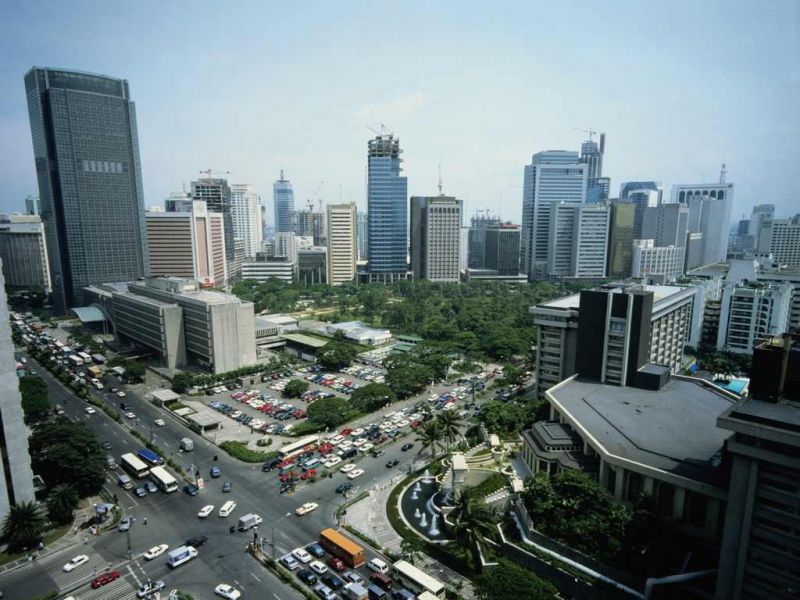
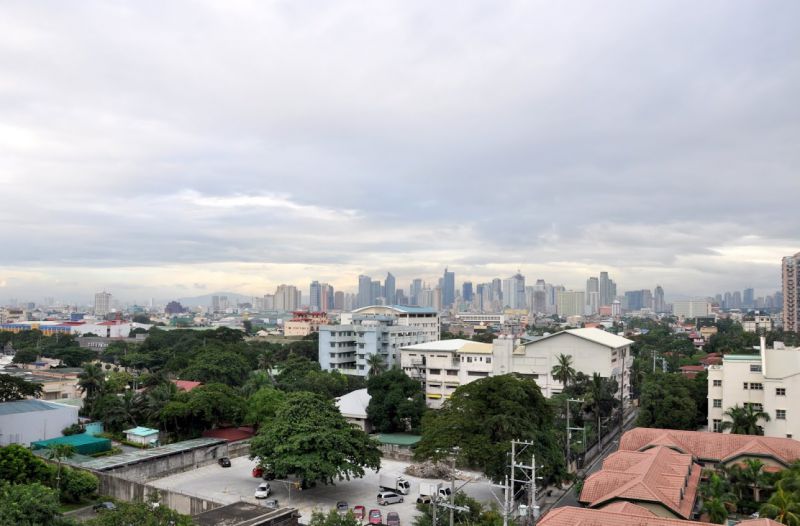
Manila occupies a unique position in the Philippines, very advantageous to play the role of the capital of the whole country and at the same time - the capital district. Manila is now an agglomeration that includes a number of cities. In the north, the agglomeration is limited to the cities of Navotasi and Kalucan, in the northeast - Quezon and San Juan del Monte, and in the south - the city of Pasay. To the west, Manila faces a picturesque bay with the same name as the city. The city is divided into two parts by the river Pasig. The central part of the city, the oldest, Intramuros, was founded by the first Spanish settlers, the conquistadors. The northern part of the city is built up with modern buildings. The industrial area is adjacent to the port. Destroyed during the war, Manila was rebuilt on the North American model. The current appearance of Manila is no longer characterized by ancient Spanish buildings, and straight wide streets, highways, traffic on which still remains chaotic.
The population of the capital has grown rapidly over the last century: in 1890 it amounted to 100,000 inhabitants, in 1920 - 300,000, in the 1950s - 600,000, and has since doubled.
However, the most ancient monuments of the city will be preserved. These are churches in the Baroque style, San Agustin and Santo Domingo, the ruins of the Spanish fortress of Santiago, the building of the University of San Thomas. Other attractions include various museums, libraries and an observatory.
Manila's economy has recently been based on the textile and food industries, the production of medicines, soaps, wood products, tobacco products and more.
The population of the capital has grown rapidly over the last century: in 1890 it amounted to 100,000 inhabitants, in 1920 - 300,000, in the 1950s - 600,000, and has since doubled.
However, the most ancient monuments of the city will be preserved. These are churches in the Baroque style, San Agustin and Santo Domingo, the ruins of the Spanish fortress of Santiago, the building of the University of San Thomas. Other attractions include various museums, libraries and an observatory.
Manila's economy has recently been based on the textile and food industries, the production of medicines, soaps, wood products, tobacco products and more.
Manila on map
+ 31°C