
Common description
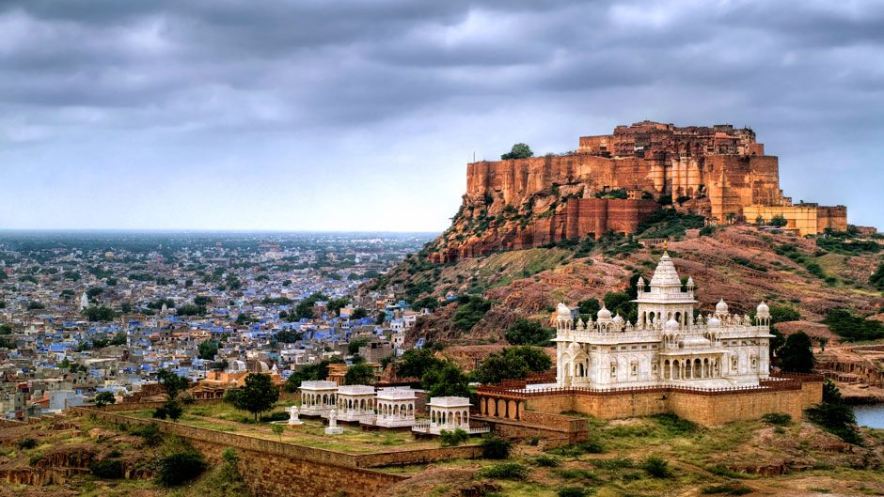
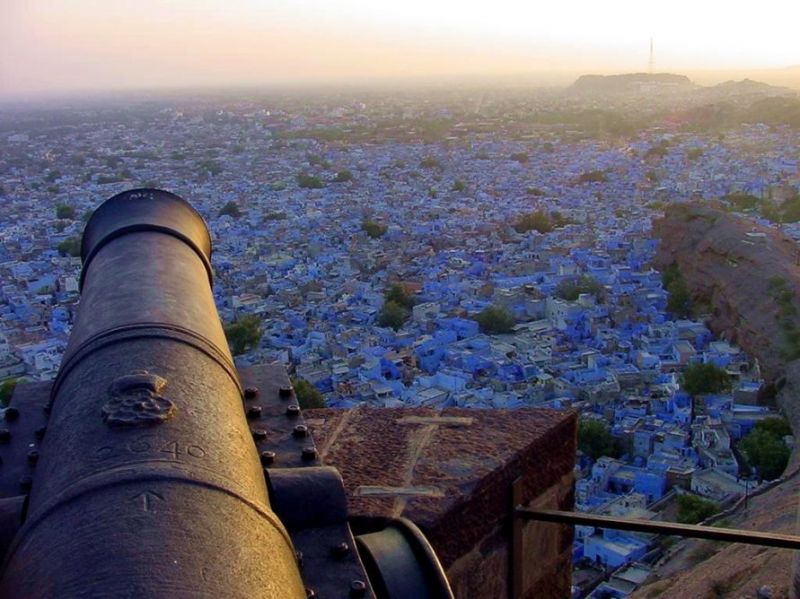
Jodhpur is the second largest city of Rajasthan after Udaipur, at the very edge of the Thar Desert. Jodhpur is often referred to as the "blue city" because many of the houses here are painted blue.
Once upon a time, this city was the capital of the ancient state of Marwar, which means "land of death" - the name probably associated with the harsh desert climate. Jodhpur was founded in 1459 by one of the princes of the Rajput dynasty - Rao Jodha, whose lineage comes from the famous Rama - the hero of the ancient Indian epic Ramayana.
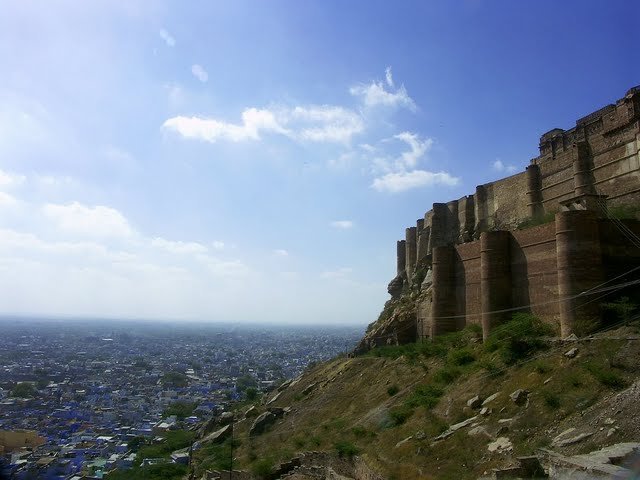
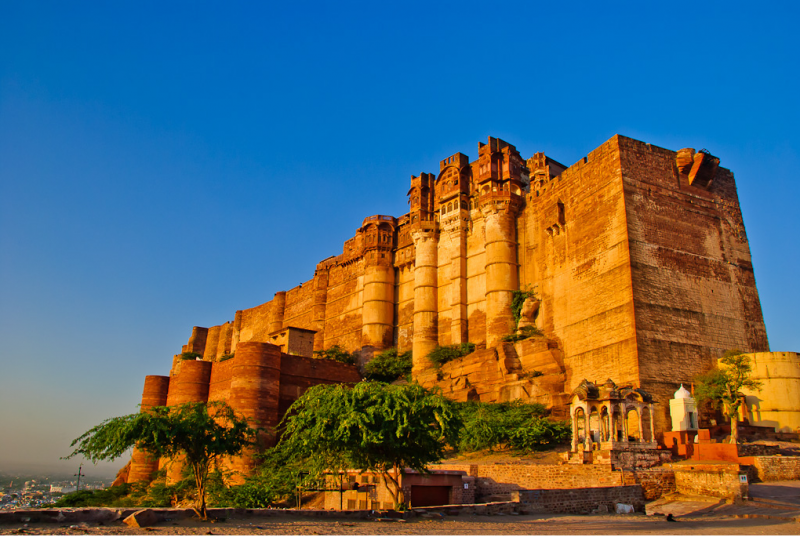
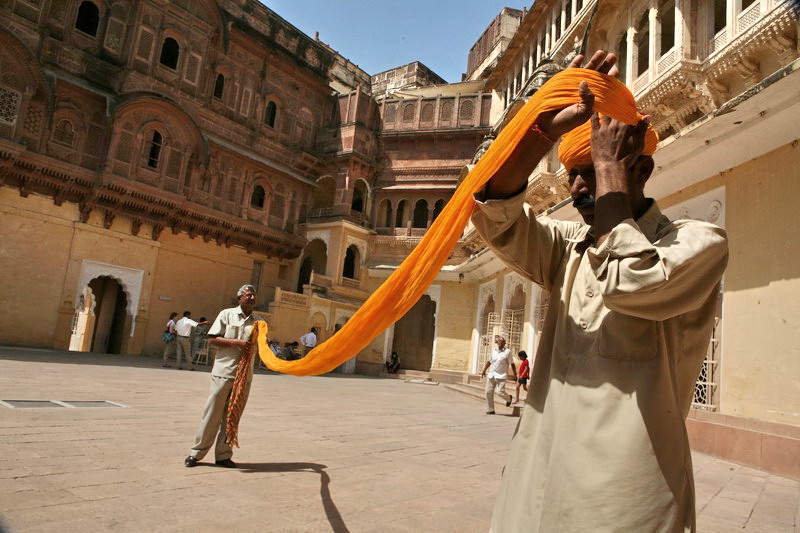
It consists of a lower city and a huge fortress Mehrangarh, standing on top of a hill and surrounded by a wall, 10 kilometers long. Behind the walls of the fortress are palaces, temples and offices. The wall that surrounds all the fortifications has seven gates through which the paths to the palaces pass. Halfway up the road is Jaswant Thada (Jaswant Thada), where the cenotaphs (tombs) of the former princes of the city are located, and here is a beautiful memorial. Mehrangarh Fort was the nucleus of the ancient city, and the modern Jodhpur has grown in all directions.
One of the most famous palaces in the city of Umaid bhavan was built recently - in 1944. At that time, a terrible drought raged in Rajasthan, and in order to employ the 3000 people who were left without work and were literally starving to death, this grandiose structure was conceived. The palace was built for 15 years. At first it was a royal residence, but now most of the building is occupied by a hotel (one of the best in the city), where the private royal museum is housed.
Once upon a time, this city was the capital of the ancient state of Marwar, which means "land of death" - the name probably associated with the harsh desert climate. Jodhpur was founded in 1459 by one of the princes of the Rajput dynasty - Rao Jodha, whose lineage comes from the famous Rama - the hero of the ancient Indian epic Ramayana.
It consists of a lower city and a huge fortress Mehrangarh, standing on top of a hill and surrounded by a wall, 10 kilometers long. Behind the walls of the fortress are palaces, temples and offices. The wall that surrounds all the fortifications has seven gates through which the paths to the palaces pass. Halfway up the road is Jaswant Thada (Jaswant Thada), where the cenotaphs (tombs) of the former princes of the city are located, and here is a beautiful memorial. Mehrangarh Fort was the nucleus of the ancient city, and the modern Jodhpur has grown in all directions.
One of the most famous palaces in the city of Umaid bhavan was built recently - in 1944. At that time, a terrible drought raged in Rajasthan, and in order to employ the 3000 people who were left without work and were literally starving to death, this grandiose structure was conceived. The palace was built for 15 years. At first it was a royal residence, but now most of the building is occupied by a hotel (one of the best in the city), where the private royal museum is housed.
Jodhpur on map
+ 42°C