Common description
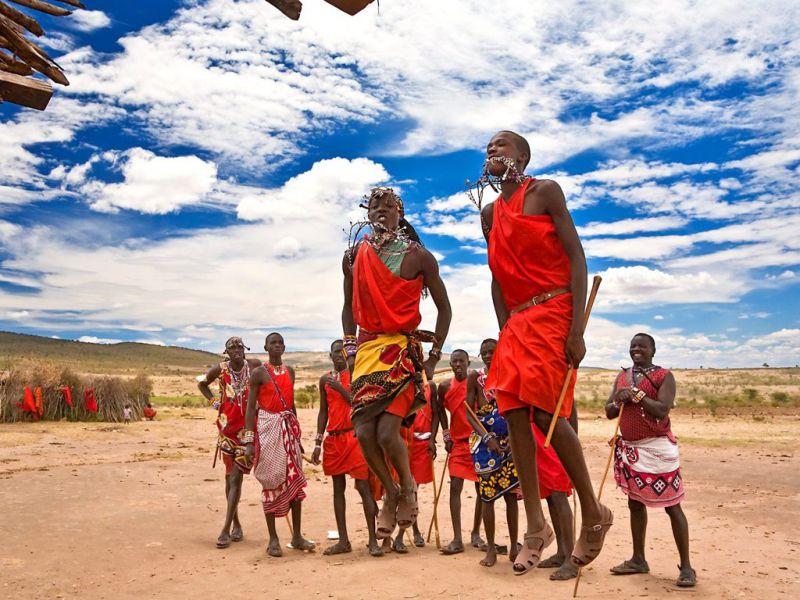
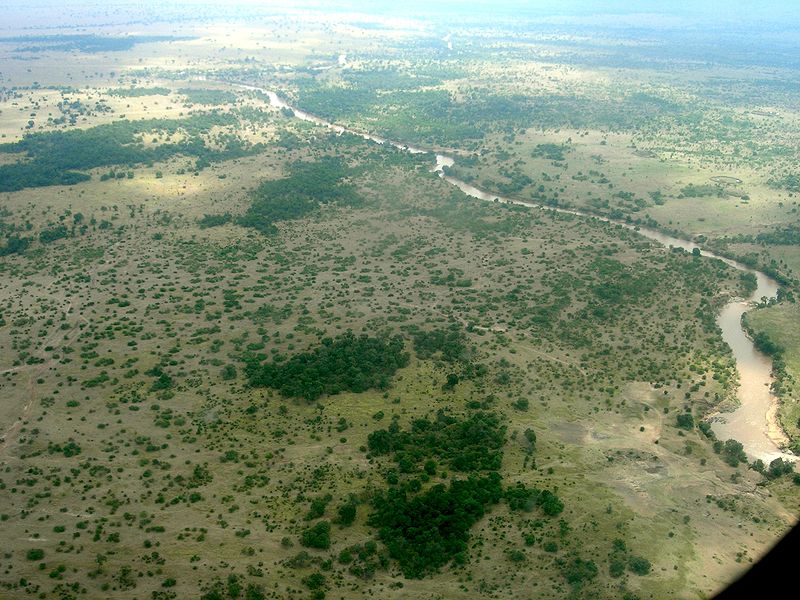
The Masai-Mara Reserve is located in southwestern Kenya and is essentially the northern extension of Serengeti Tanzania National Park. The reserve is named after the Maasai tribe - the region's traditional population - and the Mara River that divides it. The Masai Mara is famous for its large population of animals, as well as the annual wildebeest migration that takes place in September and October. During the Masai-Mara migration, more than 1.3 million Antelopes travel.
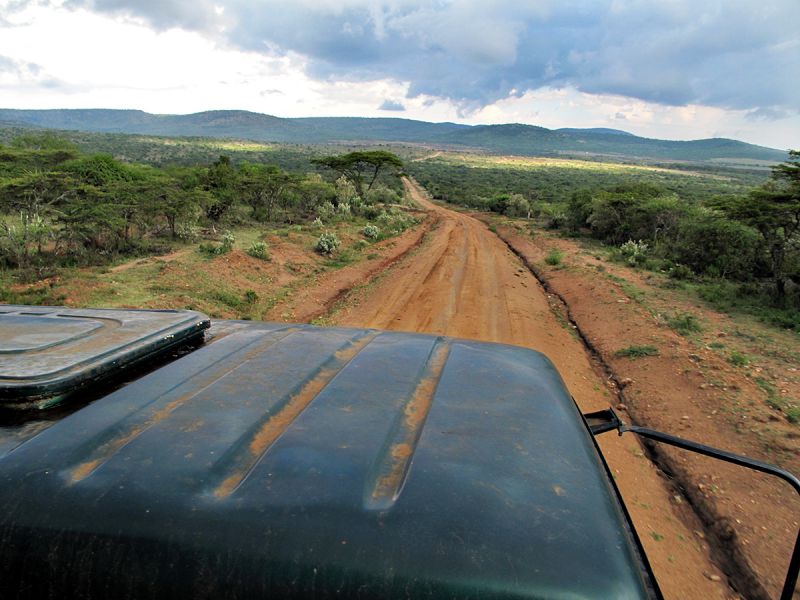
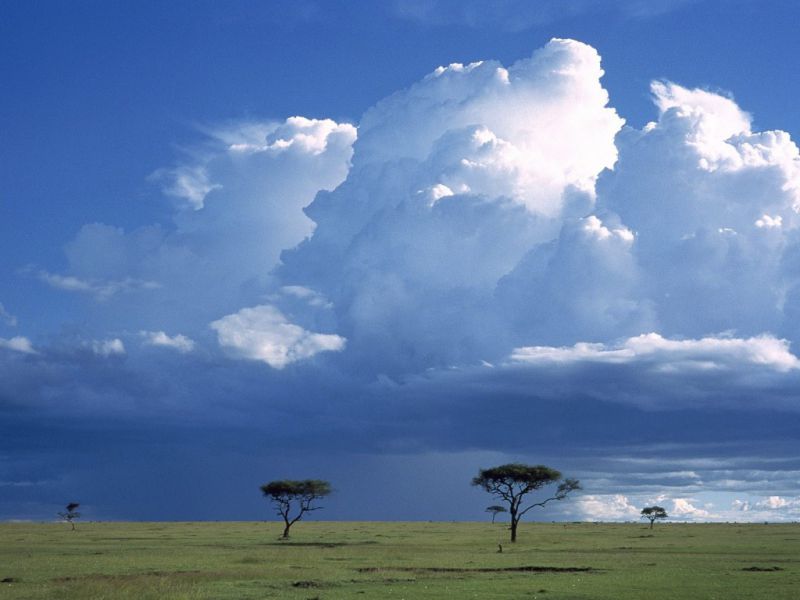
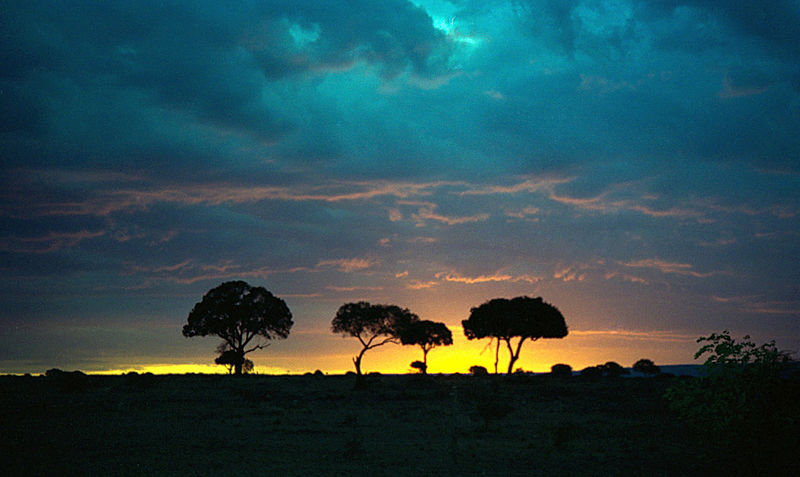
The Masai Mara, which has an area of 1510 km2, is not Kenya's largest reserve, but perhaps the most famous. It is entirely located in the giant East African Rift System, extending from the Red Sea to South Africa. Masai Mara Landscapes is a grassy savanna with acacia groves in the southeastern part. The western boundary of the reserve is formed by one of the slopes of the Rift Valley, and this is where most animals live, as swampy terrain guarantees access to water, and tourists are almost out of place. The eastern border is located 220 km from Nairobi, which is why the eastern part of Masai Mara is most visited by tourists.
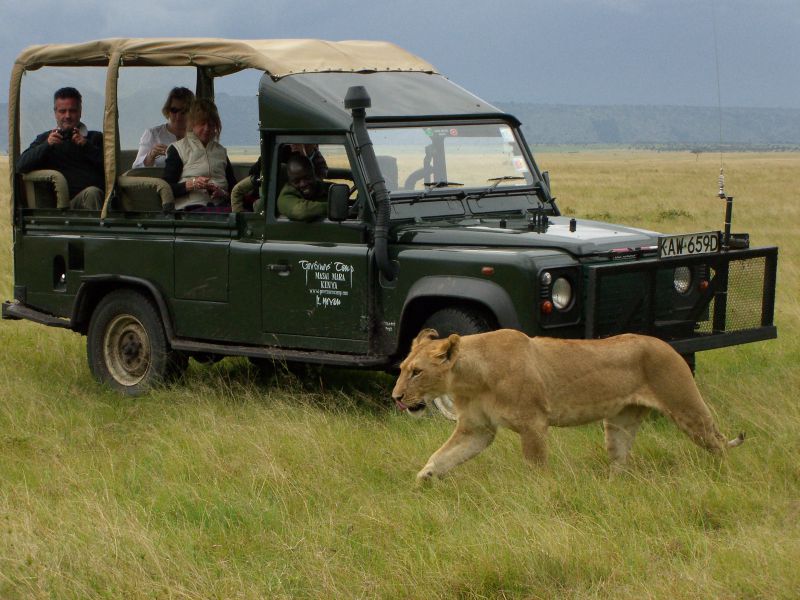
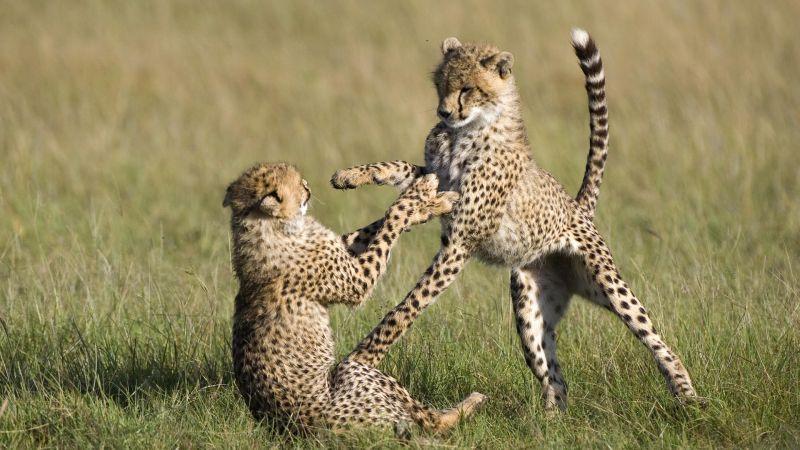
The Masai Mara is best known for its lions that live here in large numbers. All other animals of the Big Five also live in the reserve, although the black rhino population is threatened: in 2000, only 37 individuals were recorded. Hippo large groups live in the rivers Mara and Talek. Cheetahs are also found in the reserve, but they are also under threat, mainly due to the irritation factors of tourists that interfere with their daytime hunting.
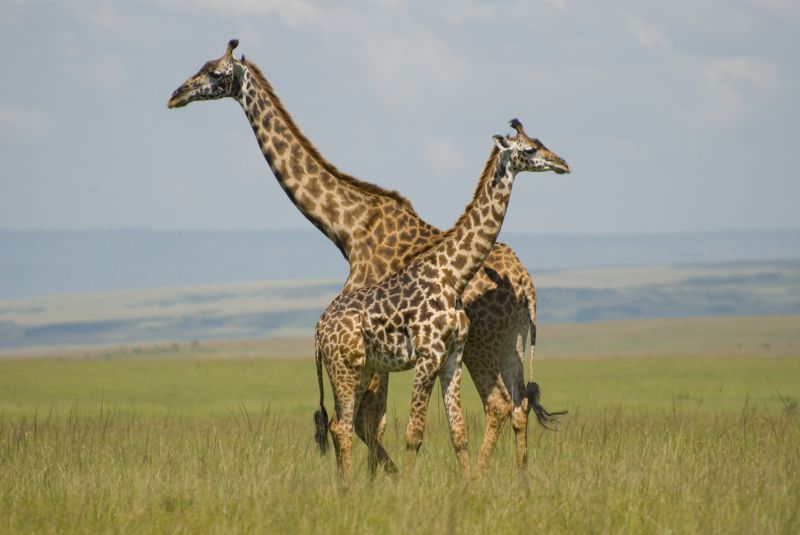
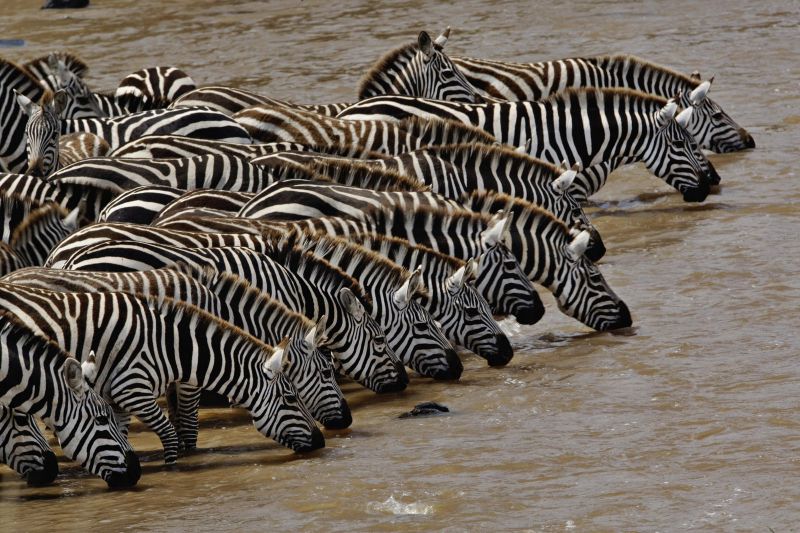
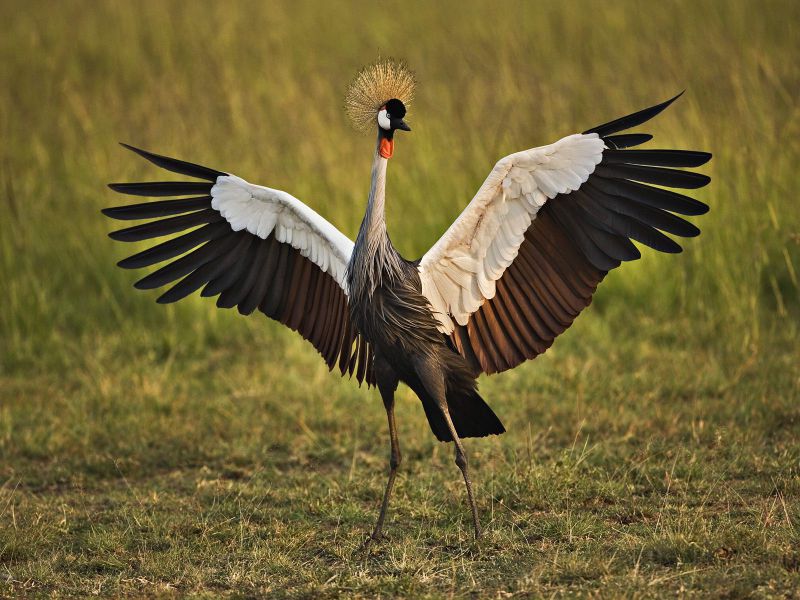
Like the Serengeti, the wildebeest is made up of the majority of the Masai Mara population: millions of them live here. Each year, around July, these animals migrate huge herds north of the Serengeti Plains in search of fresh grass, and in October return back to the south. Many other antelopes also reside in the Masai Mara, including the Thompson and Grant gazelles, impal, tops, and more. Large herds of zebras roam around the reserve. These plains are also home to two species of giraffes, including one species, nowhere else to be found. The Masai Mara is a large center for the study of spotted hyena. Finally, there are over 450 bird species recorded in the reserve.
The Masai Mara, which has an area of 1510 km2, is not Kenya's largest reserve, but perhaps the most famous. It is entirely located in the giant East African Rift System, extending from the Red Sea to South Africa. Masai Mara Landscapes is a grassy savanna with acacia groves in the southeastern part. The western boundary of the reserve is formed by one of the slopes of the Rift Valley, and this is where most animals live, as swampy terrain guarantees access to water, and tourists are almost out of place. The eastern border is located 220 km from Nairobi, which is why the eastern part of Masai Mara is most visited by tourists.
The Masai Mara is best known for its lions that live here in large numbers. All other animals of the Big Five also live in the reserve, although the black rhino population is threatened: in 2000, only 37 individuals were recorded. Hippo large groups live in the rivers Mara and Talek. Cheetahs are also found in the reserve, but they are also under threat, mainly due to the irritation factors of tourists that interfere with their daytime hunting.
Like the Serengeti, the wildebeest is made up of the majority of the Masai Mara population: millions of them live here. Each year, around July, these animals migrate huge herds north of the Serengeti Plains in search of fresh grass, and in October return back to the south. Many other antelopes also reside in the Masai Mara, including the Thompson and Grant gazelles, impal, tops, and more. Large herds of zebras roam around the reserve. These plains are also home to two species of giraffes, including one species, nowhere else to be found. The Masai Mara is a large center for the study of spotted hyena. Finally, there are over 450 bird species recorded in the reserve.
Masai Mara on map
+ 17°C