Common description
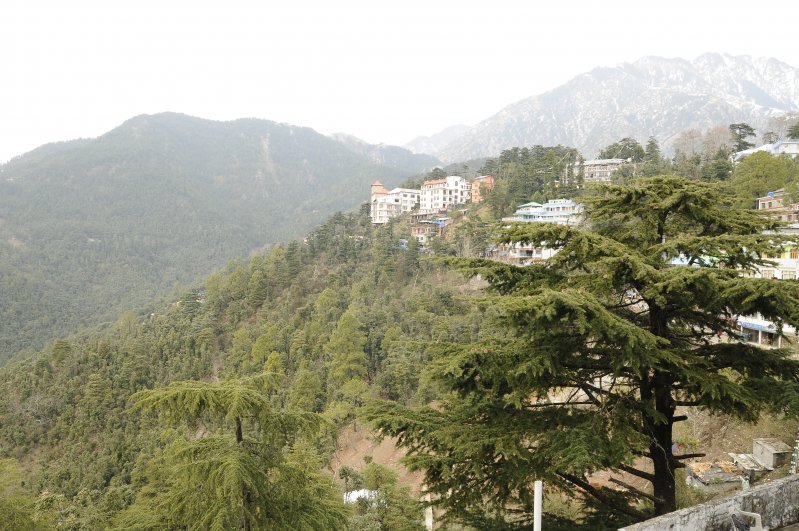
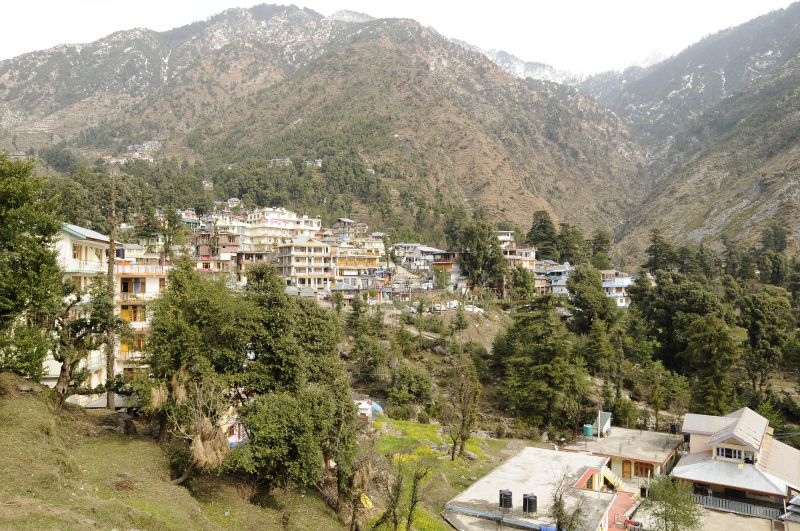
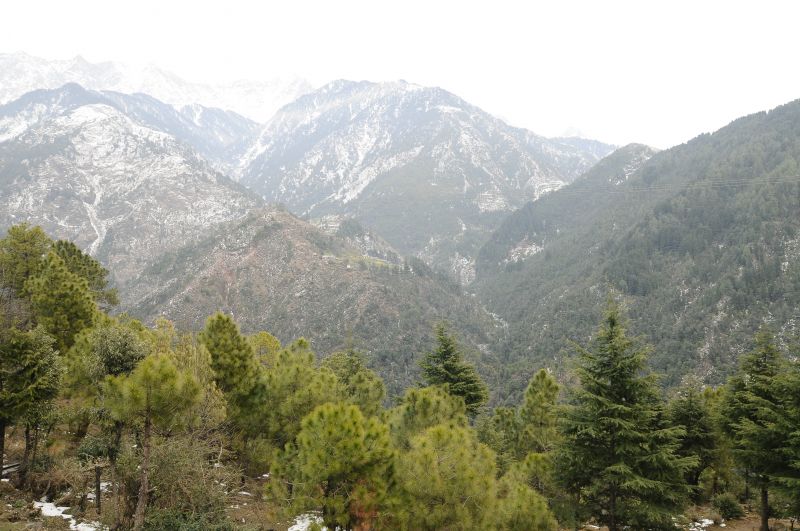
Daramsala is located in the Kangra Valley. In the lower part of the valley are plantations of rice, wheat, tea. On the slopes grow forests of pine and Himalayan cedar.
The history of Daramsala has been associated with Hinduism and Buddhism since ancient times. In the XVIII century, Tibetan immigrants built numerous monasteries here, however, it is believed that the monasteries gave way to traditional Hindu buildings. The local population (Gaddy), almost all, are Hindus. Mostly, the cult of Shiva and Durga is widespread.
In 1848, this area was annexed by Britain, and a year later a military garrison was located in the city. In 1852, Daramsala became the administrative capital of the Kangra region and a popular mountain station among the British. During the strong earthquake of 1905, in which about 20,000 people died, the city was almost destroyed, as was the neighboring city of Kangra. After that, government agencies moved to the city of Shimla, which is not on the tectonic fault line (see Rift) and is less seismic hazard. In Daramsala, weak earthquakes are still not uncommon.
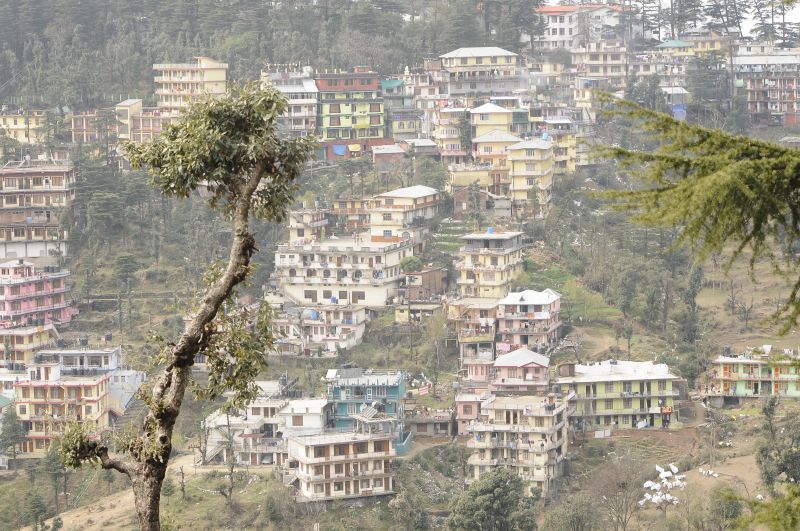
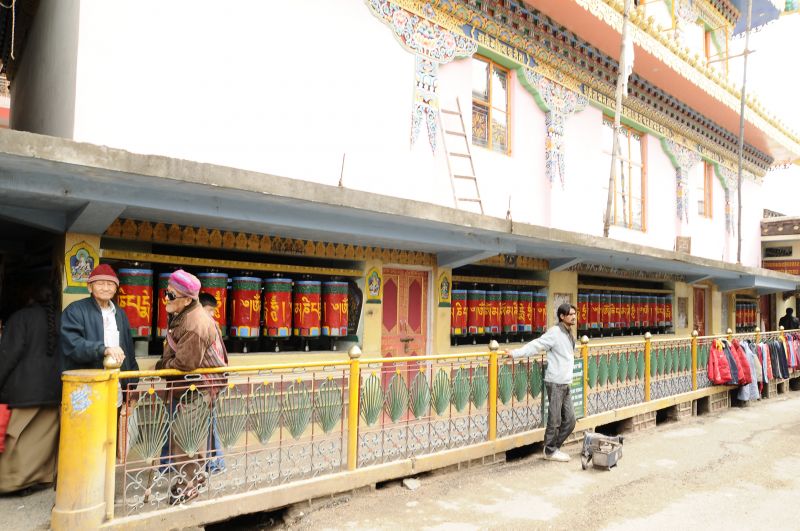
In 1959, the Dalai Lama XIV left Tibet, and in 1960 accepted the offer of Indian Prime Minister Jawaharlal Nehru to use this place for the work of the Tibetan government in exile. The Assembly of Tibetan People’s Deputies, the Tibetan legislature, began to hold sessions there. Since then, many Tibetan refugees have settled in the city. Most of them live in Upper Dharamsala (Macleod Ganj), where they founded monasteries, temples, and schools. The city is sometimes called "Little Lhasa", it has also become a tourist and commercial center.
The history of Daramsala has been associated with Hinduism and Buddhism since ancient times. In the XVIII century, Tibetan immigrants built numerous monasteries here, however, it is believed that the monasteries gave way to traditional Hindu buildings. The local population (Gaddy), almost all, are Hindus. Mostly, the cult of Shiva and Durga is widespread.
In 1848, this area was annexed by Britain, and a year later a military garrison was located in the city. In 1852, Daramsala became the administrative capital of the Kangra region and a popular mountain station among the British. During the strong earthquake of 1905, in which about 20,000 people died, the city was almost destroyed, as was the neighboring city of Kangra. After that, government agencies moved to the city of Shimla, which is not on the tectonic fault line (see Rift) and is less seismic hazard. In Daramsala, weak earthquakes are still not uncommon.
In 1959, the Dalai Lama XIV left Tibet, and in 1960 accepted the offer of Indian Prime Minister Jawaharlal Nehru to use this place for the work of the Tibetan government in exile. The Assembly of Tibetan People’s Deputies, the Tibetan legislature, began to hold sessions there. Since then, many Tibetan refugees have settled in the city. Most of them live in Upper Dharamsala (Macleod Ganj), where they founded monasteries, temples, and schools. The city is sometimes called "Little Lhasa", it has also become a tourist and commercial center.
Dharamsala on map
+ 26°C